Klipy Raised $3.8M as Tenor's API Shutdown Reopens the Meme Infrastructure Market
Google is ending third-party Tenor API service for app developers on June 30. Klipy's pitch is that GIFs, stickers, clips, and micro memes now need a replacement layer with search, moderation, localization, rights handling, and monetization built into the API.
 Posthype Studio
Klipy raised $3.8 million into a forced migration window. Google has told developers that Tenor's API service will sunset on June 30, 2026, with current integrations fully decommissioned and API requests failing after that date if developers have not moved. Klipy's bet is that the replacement for Tenor can be more than GIF search.
The timing is unusually clean for a creator-infrastructure startup. Google says new Tenor API key sign-ups and integrations stopped on January 13, and existing API and ads-distribution agreements terminate on June 30. Tenor content will remain available in Google-owned surfaces such as Gboard, Tenor.com, Google Chat, Google Messages, and other Google integrations, but third-party app developers lose the API layer that made Tenor a default expression feed inside other products.
The API is the distribution point
For creators, studios, and brands, the interesting part is where the content travels. Klipy lets developers embed GIFs, stickers, memes, clips, and AI-generated visual media inside their own apps, while creators and rights holders use the platform to publish and manage short-form assets. Business Insider reported that developers can also enable monetization by allowing ads to appear between content, though Klipy declined to share the revenue split.
That makes the migration more commercially important than a backend swap. If an app replaces Tenor with Klipy, the app is also choosing which library gets searched, which creator uploads appear, which rights-holder content is available, which moderation system reviews it, what languages are localized, and which ad inventory can be inserted into the expression layer.
| Layer | What moves | What is still undisclosed |
|---|---|---|
| Developer API | GIF, sticker, clip, meme, and AI-media search inside apps | Pricing for larger developers beyond free indie access |
| Creator supply | 40,000 creator accounts or partners claimed by Klipy | Active uploader count and creator payout mechanics |
| Rights holders | Movie studios, TV networks, and premier creators named in Klipy's deck | Contract terms, takedown workflow, and revenue participation |
| Ad monetization | Ads placed around expressive media inside partner apps | Revenue split, targeting controls, and brand-safety reporting |
Klipy is selling micro memes as a new media unit
Klipy's pitch deck frames the category as GIFs, clips, stickers, memes, and emojis becoming a larger expression market, with AI making those assets more personal and easier to produce. Business Insider reported Klipy's own term for the new unit: micro memes, meaning hyper-specific inside-joke content rather than broad viral templates.
The product claim follows that shift. Klipy's deck says its API includes a library of more than 10 million short-form media assets, AI-powered features, localization in more than 39 languages, and content-moderation tools. Google for Developers says Tenor Search supported more than 45 languages and received more than 300 million searches per day, which shows the scale of the behavior Klipy is trying to intercept even if the exact traffic Klipy has won remains private.
Google is both the old owner and the new backer
That creates an unusual power map. Google acquired Tenor in 2018, is now shutting off the third-party Tenor API service, and its AI Futures Fund is participating in Klipy's new round. Google's public description of the fund says startups can receive early access to Gemini, Imagen, Veo, Google technical support, Cloud resources, and, for select companies, equity investment.
Klipy is leaning into that AI layer. Business Insider reported that the company gets early access to Gemini models through the AI Futures Fund relationship and that CEO Givi Beridze described content moderation as one of Klipy's main AI use cases, paired with human moderators to flag unsafe content. The press release says Klipy processes billions of API requests each week, but the company has not disclosed query growth, retention after migration, or how much of the old Tenor developer base it expects to keep.
The creator economy read
For brands and creator-led IP owners, the point is control over repeatable distribution. A meme, reaction GIF, sticker pack, or short clip becomes more valuable when it can be searched and shared inside other apps, localized across markets, moderated before it travels, and monetized without each creator negotiating a separate placement. That is why the rights-holder language matters in Klipy's deck as much as the developer count.
The risk is that the strongest creator-economy claims still sit behind Klipy's own reporting. The public record supports the migration window, the funding, the named platform integrations, the 10 million-plus asset library, the 8,500 developer figure from the deck, and the 40,000 creator figure. It does not yet prove how creators are paid, how many of those creators are active, how revenue is split between apps, creators, rights holders, and Klipy, or how brand-safety disputes are handled after an asset enters a partner app.
- 01Treat the Tenor shutdown as a distribution reset across search, supply, rights, moderation, and ads.
- 02Ask whether a GIF or meme partner can show active creator supply, rights provenance, moderation workflow, and ad-reporting controls.
- 03Separate creator signups from active uploaders before valuing the supply side.
- 04Do not model creator or rights-holder revenue until the platform discloses payout mechanics or shares contract terms.
Get this in your inbox
Klipy's opening is real because Google created a deadline. The durability of the business will depend on what happens after June 30: whether migrated developers keep usage with Klipy, whether creators and rights holders see enough value to supply fresh assets, and whether brands treat micro-meme inventory as a measurable media surface rather than a novelty format buried inside chat and creation tools.

Elliot writes about the companies, economics, and decisions shaping the creator economy, with a focus on campaign performance, attribution, and creator-led businesses.
More from Elliot Padfield →More in News
All in News →
What Is Creator Clipping? How Brands Turn One Video Into Hundreds of Posts
The marketer's guide to clipping campaigns, pay-per-view creator rewards, platforms like Content Rewards, Whop, Vyro, and Mainstage, and the checks that keep cheap reach from becoming bad media.

Substack Is Quietly Building an Ad Network for Newsletters
Substack says its first flagship sponsors are putting millions into creators, turning paid newsletter trust into brand inventory without calling itself an ad platform.
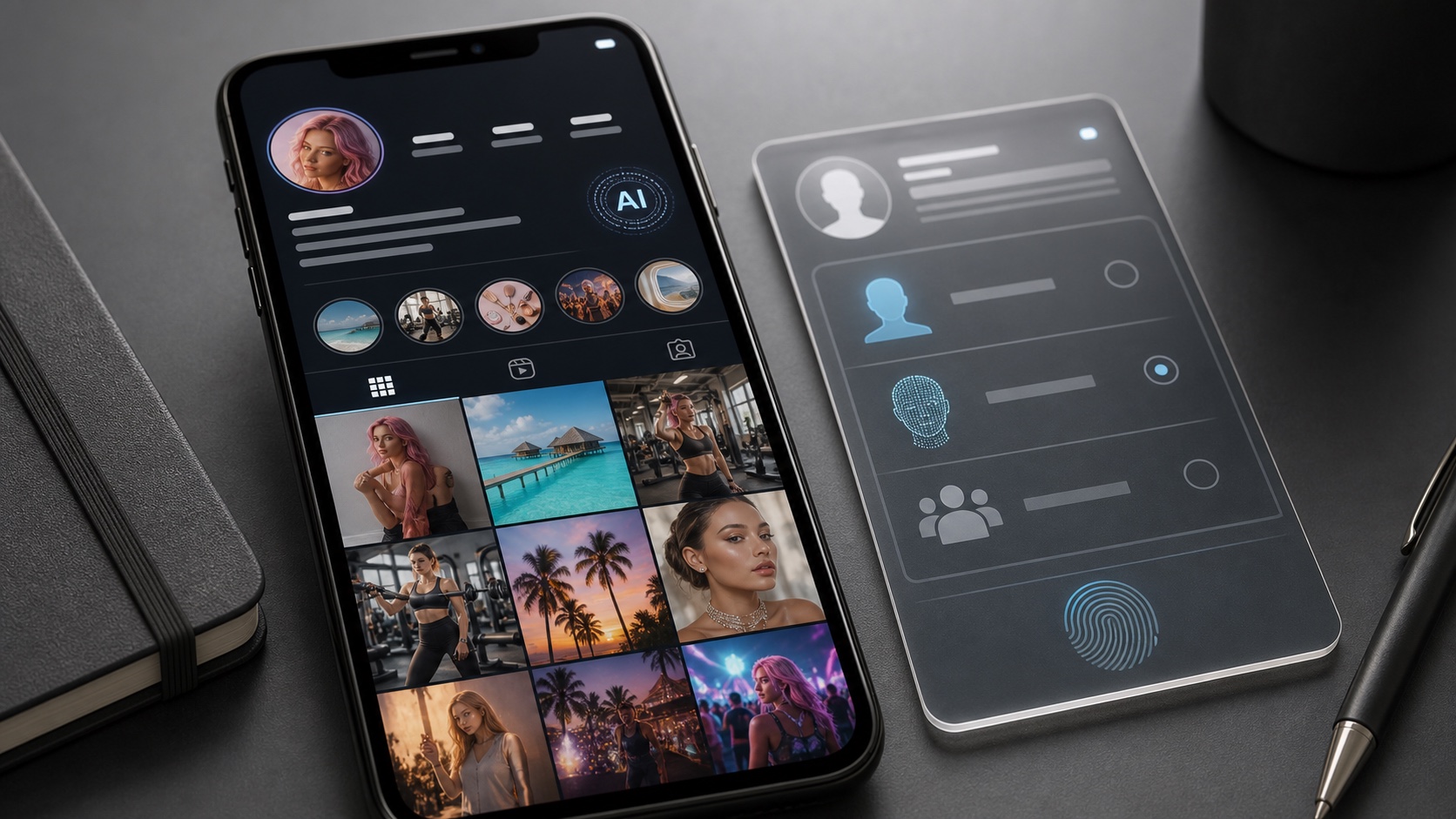
AI Influencers Are Getting Harder to Spot. Four Profiles Show the Disclosure Gap
Ana Zelu, Mia Zelu, Aitana Lopez, and Granny Spills all surface synthetic identity in profile copy, while TikTok, YouTube, and Meta policies still center on labeling AI media.