YouTube's Ad Sales Grew 9% Last Quarter, Down From 15% a Year Ago. TVs Now Bring In More Than $3.7 Billion.
YouTube's ad business, the pool behind creators' 55% revenue share, grew at its slowest rate of 2026. Living-room viewing and subscriptions are carrying more of the load, and that changes which videos earn.
 Illustration: POST/HYPE Studio / AI-generated
YouTube sold $11.207 billion of ads in the three months to 30 September, according to Alphabet's third-quarter earnings release on 28 October. That's up from $10.261 billion a year earlier, a gain of about 9.2%.
It is the slowest growth of the year. Variety's Todd Spangler, who first laid out the trend, noted YouTube ad revenue grew 11% in the first quarter, 13% in the second, and 15% in the third quarter of 2025. The result came in below analyst projections, and Alphabet as a whole missed Wall Street's revenue and earnings estimates.
For creators, this number matters more than most earnings lines. YouTube pays Partner Program members 55% of net revenue from ads on their long-form videos, and 45% of their share of the Shorts ad pool. When the ad business slows, that is the pot slowing down.
Where the growth went
On the earnings call, Google chief business officer Philipp Schindler said: "In Q3, living room accounted for over 1/3 of total YouTube Ads revenues." On $11.207 billion, that is more than $3.7 billion from TV screens in one quarter, by Posthype's arithmetic. Alphabet did not give an exact share or say how it has changed.
Schindler also said YouTube's subscription business is now growing faster than ads. YouTube Music and Premium passed 150 million subscribers worldwide, including people on trials, up from 125 million in March 2025. Alphabet doesn't report YouTube subscription revenue on its own. The line it sits in, "subscriptions, platforms, and devices," which also includes Google Play and Pixel, rose 11% to $14.29 billion. Moneycontrol reported this is the third straight quarter subscriptions outgrew ads.
YouTube says Premium members' fees are shared with creators, and "the more videos you watch from your favorite creators, the more money they make." Its own marketing puts creators' cut of ad and subscription revenue at 55%, and says it paid more than $100 billion to creators, artists and media companies over four years.
Schindler also said more than 20 million videos are uploaded every day, and that YouTube's Creator Partnerships program connects brands with over 3 million creators.
What this means for creators
The ad pot is still growing, just not as fast. Three things follow.
First, TV pays. YouTube said in September 2025 that the number of channels earning more than $100,000 from TV screens was up 45% year on year. Long-form videos that work on a TV, watched for a long time, sit where the ad growth is.
Second, Premium watch time counts. Premium viewers see no ads, so channels with big Premium audiences are paid out of subscription fees instead. That part of the business is growing faster.
Third, Shorts-only channels face a tighter squeeze. From 1 February 2027, channels need 10 million qualified Shorts views in 90 days to keep earning from the Shorts ad pool. A slower-growing ad business split between fewer qualifying channels is not a recipe for raises.
None of this tells any one creator what their RPM, or revenue per thousand views, will do next month. YouTube doesn't publish that. But the direction is clear: ad money is moving to the living room, and subscriptions are making up more of what YouTube has to share.

Elliot writes about the companies, economics, and decisions shaping the creator economy, with a focus on campaign performance, attribution, and creator-led businesses.
More from Elliot Padfield →More in News
All in News →
YouTube Is Testing $20 Payouts, Down From $100. Facebook Already Pays US Creators at $5.
YouTube will pay a random group of creators in the US, India and Indonesia once their balance reaches $20 instead of $100. It changes when small channels get paid, not how much they earn, and rivals already pay out at lower balances.

YouTube Stops Shorts Pay Below 10 Million Views From February 2027
YouTube did not say how many of the more than 3 million YPP channels it claims currently sit under the Shorts floor.
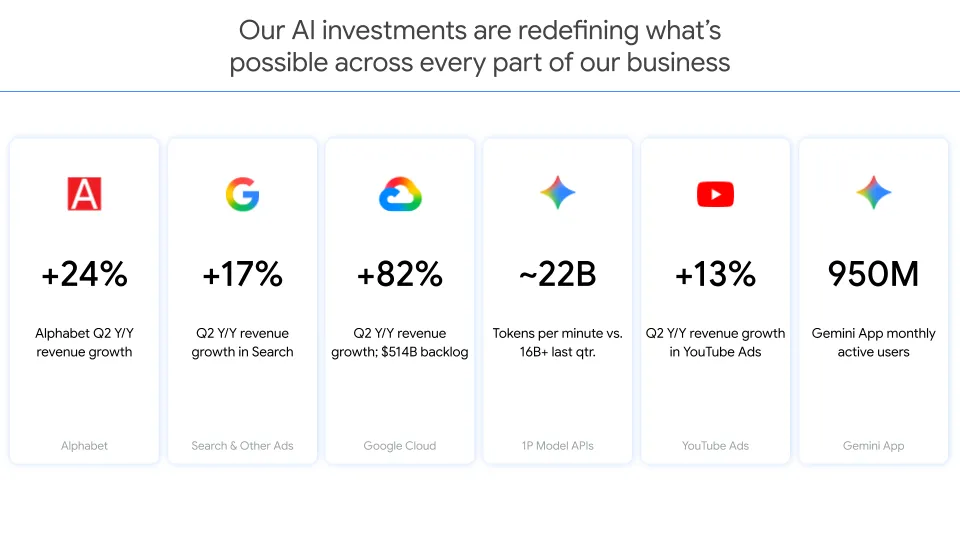
YouTube Ad Revenue Reached $11.1 Billion in Q2
Ad sales rose 13% from a year earlier. Alphabet pointed to World Cup-related strength alongside direct response, brand advertising and living-room viewing.